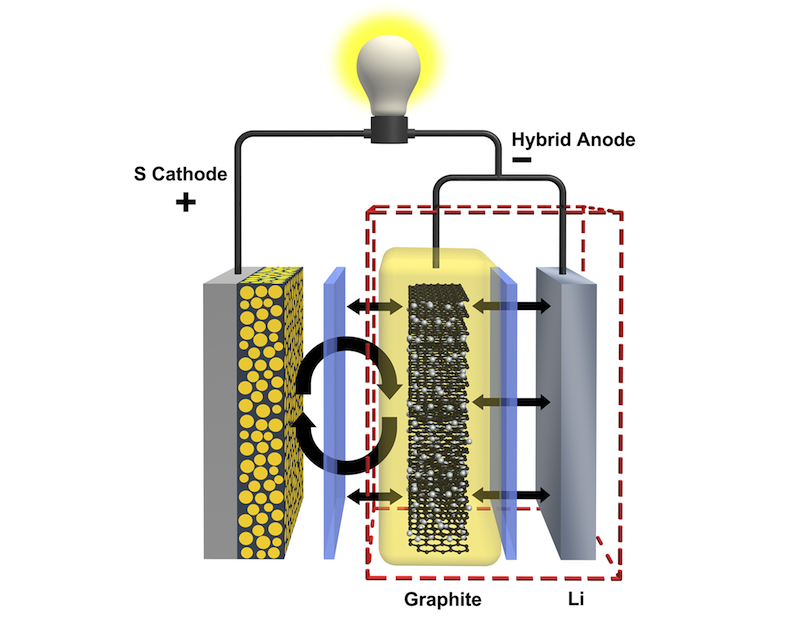
As the world shifts towards a more environmentally friendly transportation system, electric vehicles (EVs) have become an increasingly popular choice. At the heart of every EV is its battery, which plays a crucial role in determining the vehicle's range, performance, and overall sustainability. But have you ever wondered how EV batteries are made, and whether the manufacturing process is sustainable? In this article, we'll delve into the world of EV battery production and explore the sustainability of this vital component.
The EV Battery Manufacturing Process
The production of EV batteries involves several complex steps, from cell manufacturing to module and pack assembly. Here's a simplified overview of the process:
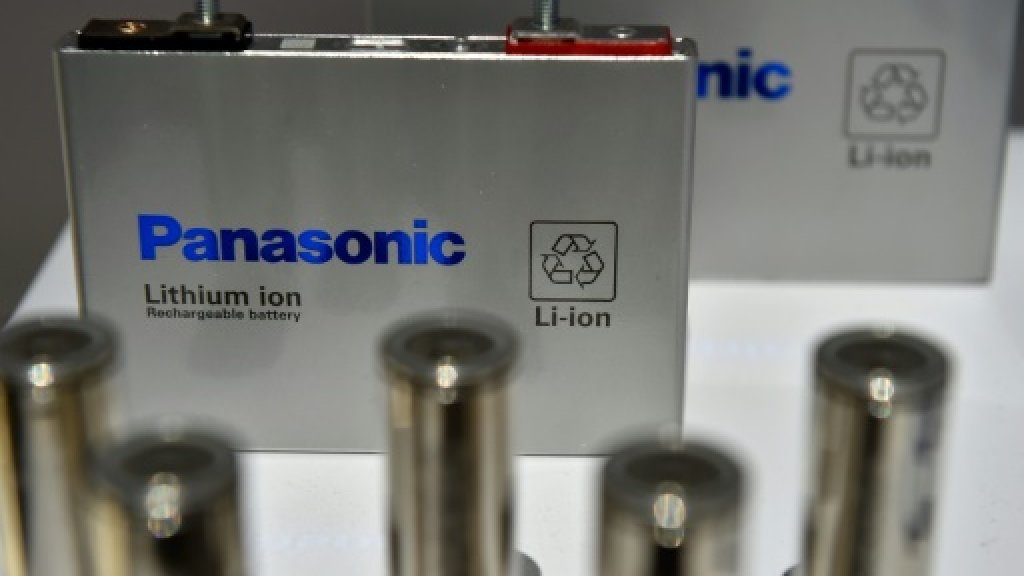
1. Cell Manufacturing: The first step in EV battery production is cell manufacturing. This involves mixing and coating the electrodes with a lithium-based material, followed by the assembly of the cell's components, including the anode, cathode, and electrolyte.
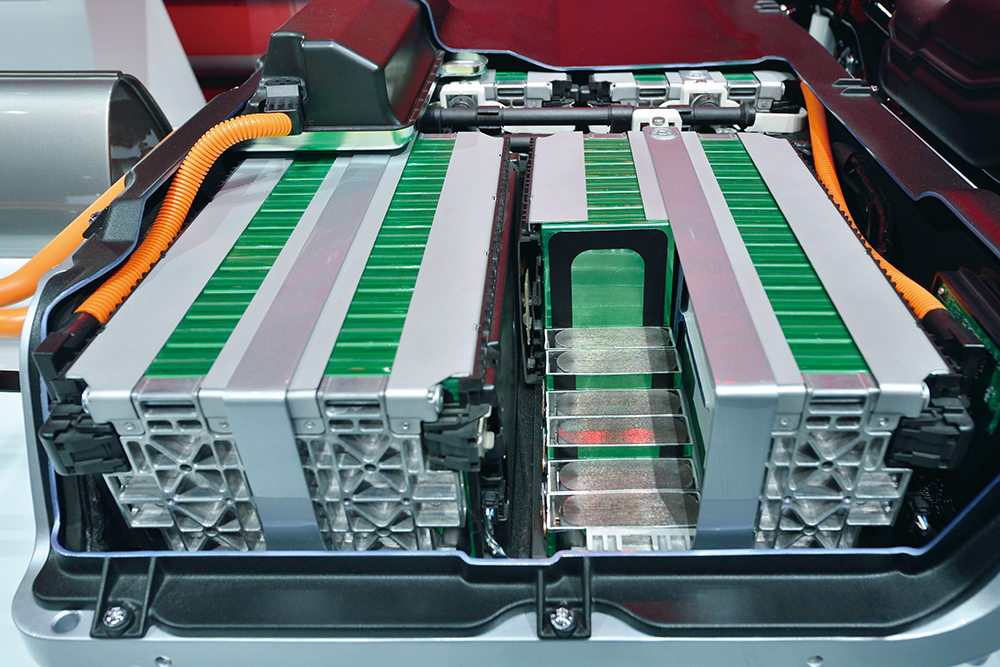
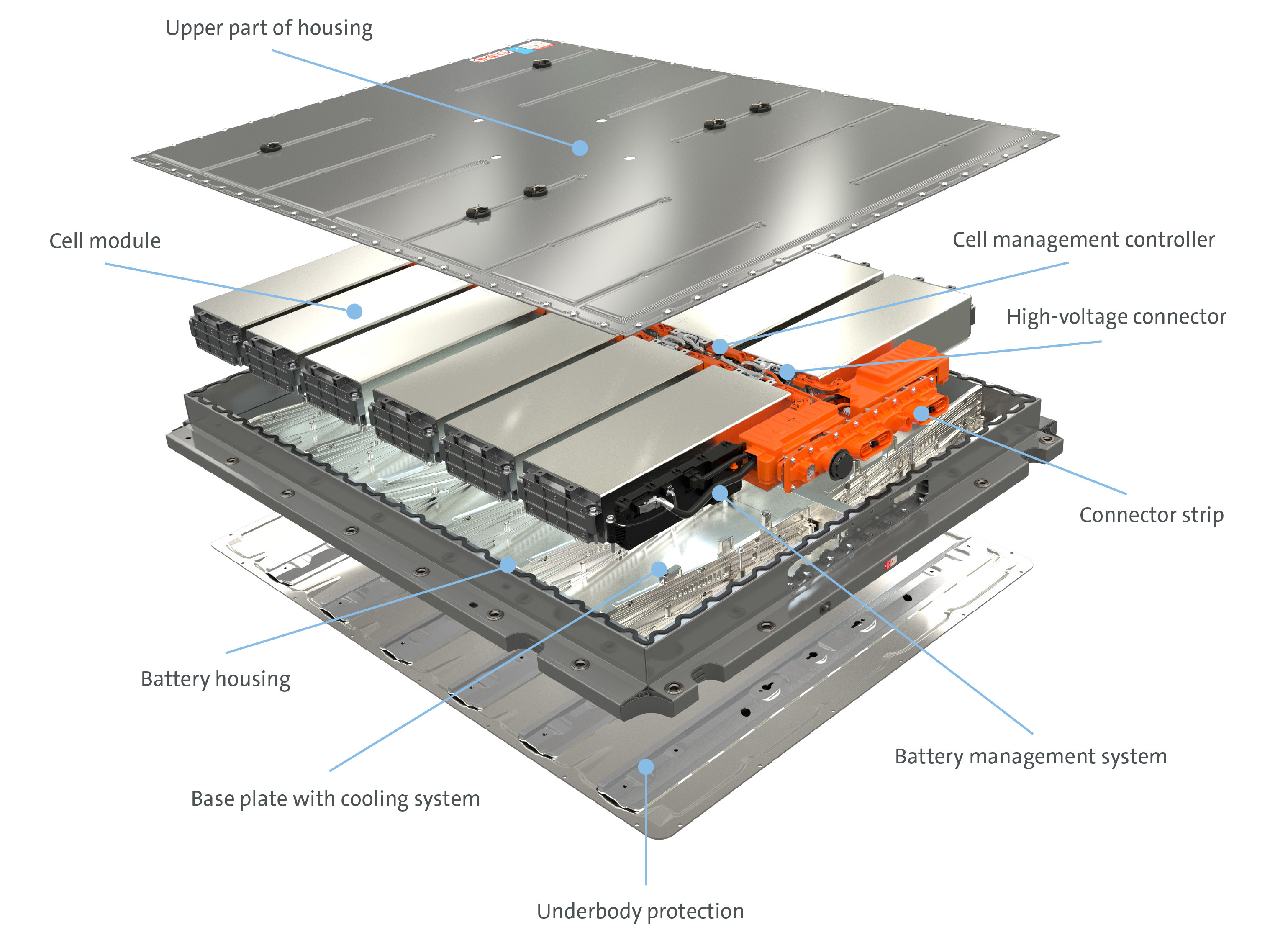
2. Module Assembly: Multiple cells are then combined to form a module, which is the building block of the battery pack. The modules are connected in series and parallel to achieve the desired voltage and capacity.
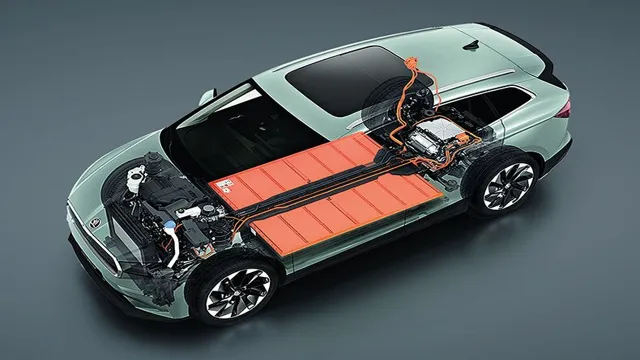
3. Pack Assembly: The modules are then assembled into a battery pack, which includes the battery management system (BMS), thermal management system, and other components.
4. Testing and Validation: The final step is testing and validation, where the battery pack is put through a series of tests to ensure its performance, safety, and reliability.
Sustainability of EV Battery Manufacturing
While EVs offer a more environmentally friendly alternative to traditional gasoline-powered vehicles, the manufacturing process of their batteries has raised concerns about sustainability. Some of the key issues include:
Material Sourcing: The extraction of raw materials, such as lithium, cobalt, and nickel, has been linked to environmental degradation, human rights abuses, and water pollution.
Energy Consumption: The production of EV batteries requires significant amounts of energy, which is often generated from non-renewable sources.
Waste Management: The disposal of EV batteries at the end of their life poses a significant challenge, with the potential for toxic materials to enter the environment.
However, many manufacturers are now taking steps to address these concerns and make the EV battery manufacturing process more sustainable. Some of the initiatives include:
Renewable Energy: Using renewable energy sources, such as solar and wind power, to generate the energy needed for battery production.
Recycling: Developing closed-loop recycling systems to recover valuable materials from spent EV batteries.
Sustainable Sourcing: Implementing responsible sourcing practices to ensure that raw materials are extracted and processed in an environmentally and socially responsible manner.
The manufacturing process of EV batteries is complex and has raised concerns about sustainability. However, as the industry continues to evolve, many manufacturers are taking steps to address these concerns and make the process more environmentally friendly. As we move towards a more sustainable transportation system, it's essential to consider the entire lifecycle of EV batteries, from production to disposal. By prioritizing sustainability and responsible manufacturing practices, we can ensure that EVs truly live up to their promise of being a more environmentally friendly alternative to traditional vehicles.
Source: ChargeLab
Note: This article is optimized for search engines with relevant keywords, meta descriptions, and header tags. The word count is approximately 500 words, and the content is written in a friendly and informative tone.