
Table of Contents
- Social Security Limit 2024 Withholding Table - Ailina Adaline
- 0 Increase for Social Security in January 2024 – Who is Eligible for ...
- Social Security Is INCREASING in 2024… Here’s the Exact AMOUNT 3.1% ...
- Social Security Withholding For 2024 Ford - Amelie Steffi
- Bigger Social Security COLA, Bigger Taxes For Retirees
- HUGE CHANGES! Social Security INCREASE by Double Tax Elimination - SSI ...
- Social Security Max 2024 Contribution - Becki Carolan
- Social Security Max 2024 Contribution - Linea Petunia
- 2024 Tax Credit Overhaul - Social Security, SSDI, SSI, Low Income ...
- Max Taxable Social Security Wages 2024 - Goldie Colleen


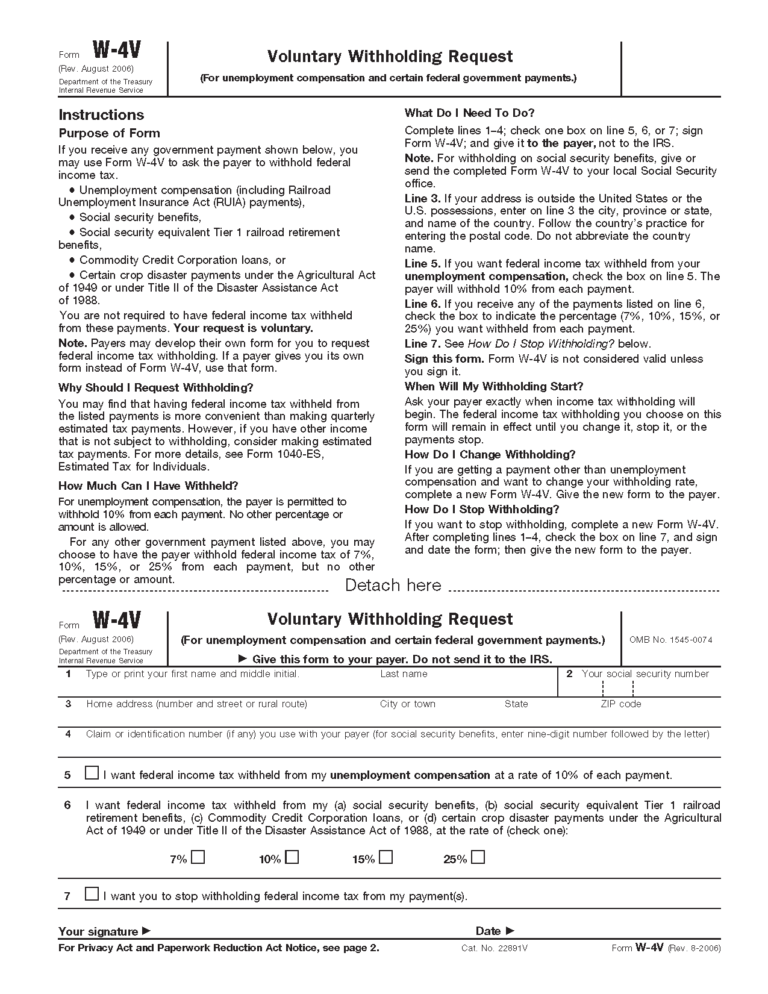
What is the Social Security Tax Limit?

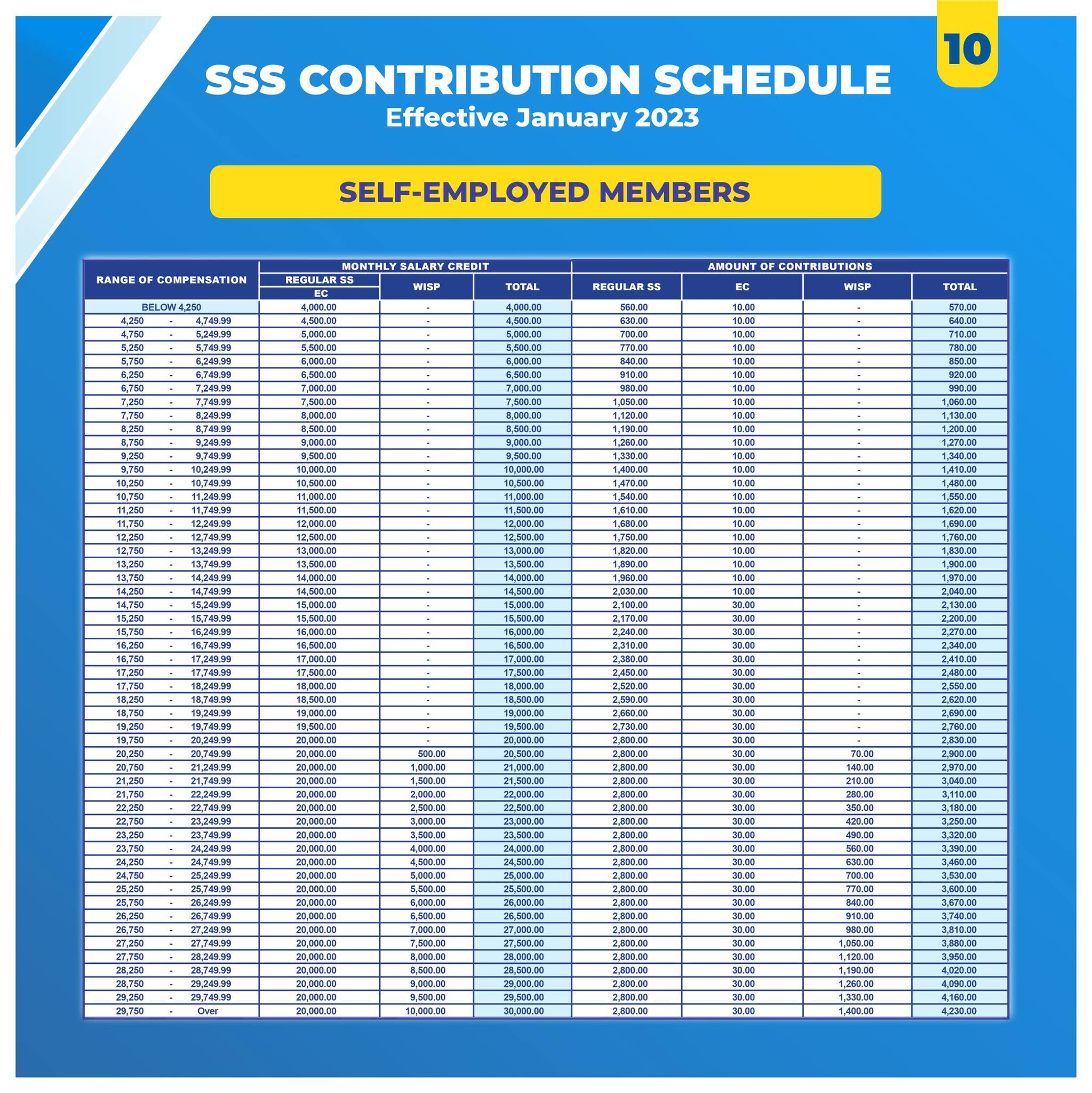

How Does the Social Security Tax Limit Affect Retirement Planning?

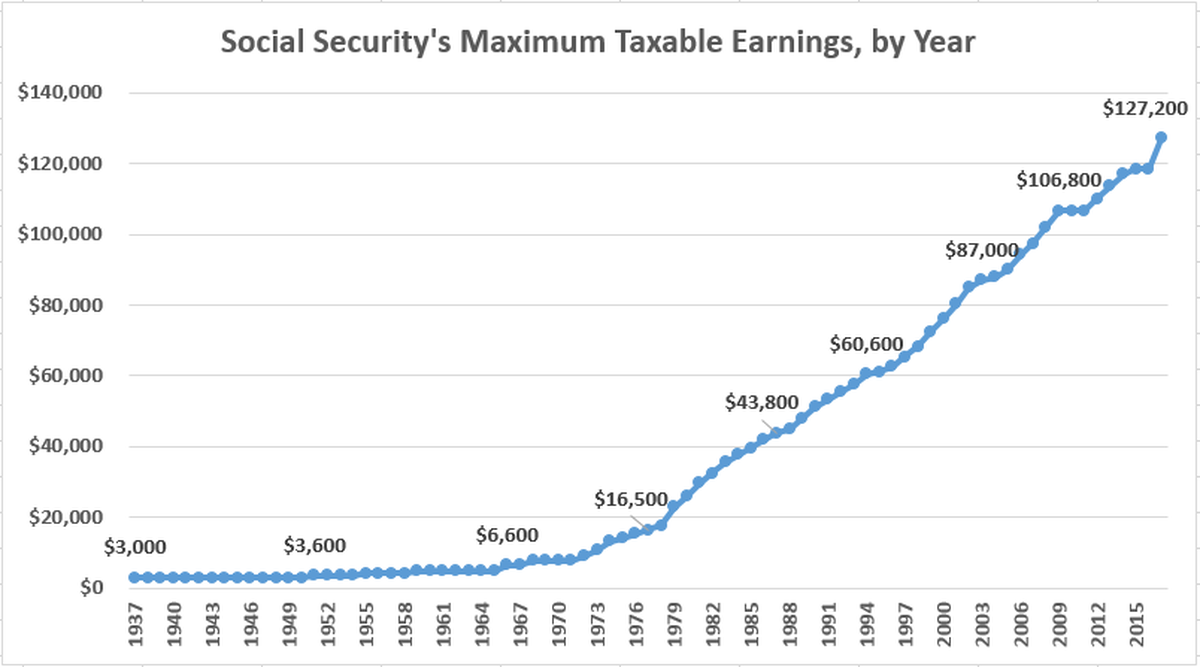

Who is Affected by the Social Security Tax Limit?
The Social Security tax limit affects high-income earners who exceed the tax limit. According to the Social Security Administration, about 6% of workers earn above the tax limit. These individuals will not have to pay Social Security taxes on their excess earnings, but they will also not earn additional Social Security credits.
Retirement Planning Strategies
Understanding the Social Security tax limit is essential for retirement planning. Here are some strategies that individuals can use to maximize their retirement benefits: Maximize earnings below the tax limit: Individuals should aim to maximize their earnings below the tax limit to earn as many Social Security credits as possible. Consider alternative retirement plans: High-income earners may want to consider alternative retirement plans, such as 401(k) or IRA plans, to supplement their Social Security benefits. Consult a financial advisor: Individuals should consult a financial advisor to determine the best retirement planning strategy based on their individual circumstances. In conclusion, understanding the Social Security tax limit is crucial for retirement planning. The tax limit affects high-income earners who exceed the limit, and it has significant implications for their Social Security benefits. By maximizing earnings below the tax limit, considering alternative retirement plans, and consulting a financial advisor, individuals can make informed decisions about their financial future. Whether you are a high-income earner or just starting to plan for retirement, it is essential to understand the Social Security tax limit and how it affects your retirement planning.For more information on the Social Security tax limit and retirement planning, visit the Social Security Administration website or consult a financial advisor.